

arch mirror with light
The Metal Angle Ruler A Must-Have Tool for Precision Measurement In the world of design, engineering, and construction, precision is paramount. Among the various tools employed to achieve this accuracy, the metal angle ruler stands out as an indispensable instrument. Often overlooked in favor of more complex devices, the humble metal angle ruler packs a significant punch when it comes to ensuring exact measurements and facilitating intricate work. What is a Metal Angle Ruler? A metal angle ruler is a tool typically made from durable materials like stainless steel or aluminum. It is specifically designed to measure and create angles with precision. The dual-arm structure features a fixed arm and a movable arm, allowing users to adjust to various angles ranging from 0 to 180 degrees. Some models come with etched or printed markings, providing users with instant measurements and enhancing usability. Versatility in Usage The versatility of the metal angle ruler is evident across multiple disciplines. In woodworking, it aids carpenters in making precise cuts and ensuring joints fit perfectly. For metalworkers, this tool assists in layout work and fabricating components with accurate angles, crucial for maintaining structural integrity. In the realm of architecture, the metal angle ruler plays a vital role during the drafting phase. Architects use it to transfer measurements from plans to work surfaces, ensuring that everything is built according to specification. Moreover, its lightweight nature makes it easy to carry around on job sites, enhancing its practicality for professionals who require mobility. Advantages of Metal Angle Rulers One primary advantage of metal angle rulers is their durability. Unlike plastic counterparts, metal rulers can withstand significant wear and tear, making them a wise investment. Their resilient nature means they can endure harsh working conditions without compromising accuracy. metal angle ruler Furthermore, metal angle rulers are less prone to warping, a common issue with wooden or plastic rulers. This dimensional stability is essential for tasks that demand high precision. The substantial material also gives metal rulers a sleek, professional appearance, promoting confidence among users in their capabilities. Another significant upside is their ease of maintenance. Metal can be easily cleaned and does not absorb moisture, crucial in environments like workshops or construction sites where dust and dirt can accumulate. Proper care involves simple wiping with a cloth, ensuring the markings remain clear and legible for improved usability. Techniques for Effective Use To maximize the effectiveness of a metal angle ruler, users should familiarize themselves with proper techniques. When measuring angles, it is important to ensure that the fixed arm aligns perfectly with the baseline. The movable arm can then be adjusted to obtain the desired angle effortlessly. For more complex measurements, combining the angle ruler with a protractor can further enhance accuracy. By using both tools in tandem, users can validate their measurements and achieve exceptional results. This practice is particularly beneficial in creative fields like graphic design, where intricate angles play a crucial role. Conclusion In conclusion, the metal angle ruler is a vital tool across various fields, promoting accuracy and efficiency in measurement. Its robust construction, coupled with versatility and ease of use, make it a preferred choice for professionals and hobbyists alike. Whether you are a carpenter, architect, or metalworker, investing in a high-quality metal angle ruler can significantly impact the precision of your work. As technology continues to evolve, it's easy to overlook traditional tools in favor of sophisticated gadgets. However, the metal angle ruler remains a testament to the effectiveness of simplicity in design. Its essential role in ensuring precision in measurements solidifies its status as a cornerstone tool in the toolkit of any craftsman. So, whether you’re cutting wood, drafting designs, or fabricating metal parts, don't underestimate the power of this unassuming but vital instrument. Embrace the metal angle ruler, and let it guide your work to new heights of precision.
about
arch mirror with light
Understanding Pressure Gauge Thread Types A Comprehensive Guide Pressure gauges are indispensable instruments in various industries, including manufacturing, oil and gas, and HVAC. They measure the pressure of gases and liquids, providing crucial data for system safety and efficiency. However, the effectiveness of a pressure gauge depends not only on its design and functionality but also on the compatibility of its connections—specifically, the thread types used for mounting and interfacing with other equipment. In this article, we'll explore the different types of pressure gauge thread standards, their applications, and considerations for selecting the right type for your needs. Common Thread Types 1. NPT (National Pipe Thread) The NPT thread, or National Pipe Taper, is one of the most commonly used thread types in North America. These tapered threads create a tight seal when screwed together, making them ideal for high-pressure applications. NPT threads are typically defined by their nominal size, which corresponds to the inside diameter of the pipe they're meant to connect with. NPT connections are routinely used in both industrial and residential applications, from plumbing to hydraulic systems. 2. BSP (British Standard Pipe) BSP threads, including BSPT (tapered) and BSPP (parallel), are widely used in the UK and other countries that follow British standards. Similar to NPT threads, BSP threads are designed to provide a secure connection for pipes and fittings, but they have a different thread profile. BSPT threads are tapered, which allows for a tight seal, while BSPP threads are parallel and typically require O-ring seals to ensure leak-proof connections. The choice between BSPT and BSPP depends on the specific application and connection requirements. 3. Metric Threads Metric threads, based on the International Organization for Standardization (ISO) standards, are increasingly popular in various regions, particularly in Europe and Asia. These threads come in coarse and fine pitch options, with the latter being used when precision is essential. Metric threads are often found in pressure gauges designed for specific industrial applications where standardization is crucial. The use of metric threads is beneficial for multinational companies that operate in diverse regions. 4. UNF and UNC Unified National Fine (UNF) and Unified National Coarse (UNC) threads are employed primarily in the United States and Canada. They are not as commonly used for pressure gauges as NPT or BSP threads but are still relevant in particular applications. UNF threads have a finer pitch, while UNC threads offer a coarser pitch. Mechanical components, automotive applications, and assembly systems often use these thread types due to their robustness. Selecting the Right Thread Type pressure gauge thread types Choosing the appropriate thread type for a pressure gauge involves several considerations - Compatibility Ensure that the thread type of the pressure gauge matches with the existing fittings and piping systems. Mismatched threads can lead to leaks or system failures. - Application The operating environment plays a crucial role in thread selection. Consider factors like pressure levels, medium (gas or liquid), temperature, and chemical compatibility. - Standards Compliance Verify that the pressure gauge and its threads conform to relevant industry standards and regulations, ensuring reliability and safety. - Installation Tools Some threaded connections require specific tools or techniques for installation, so assess the availability of such equipment before finalizing your choice. Conclusion Understanding pressure gauge thread types is essential for anyone involved in the design, installation, or maintenance of pressure measurement systems. By choosing the right thread type, you can ensure safe, effective, and reliable operation of your pressure gauges, ultimately leading to better performance outcomes in your applications. Whether you opt for NPT, BSP, metric, or unified threads, careful consideration of compatibility and application requirements will pave the way for successful installations and long-term usability.
-

High quality industrial productsagement

High quality industrial products
View Details -

Meet the diverse needs of customers

Meet the diverse needs of customers
View Details -

Strict quality control

Strict quality control
View Details -

Top raw materials

Top raw materials
View Details -

Trusted supplier

Trusted supplier
View Details
Our application


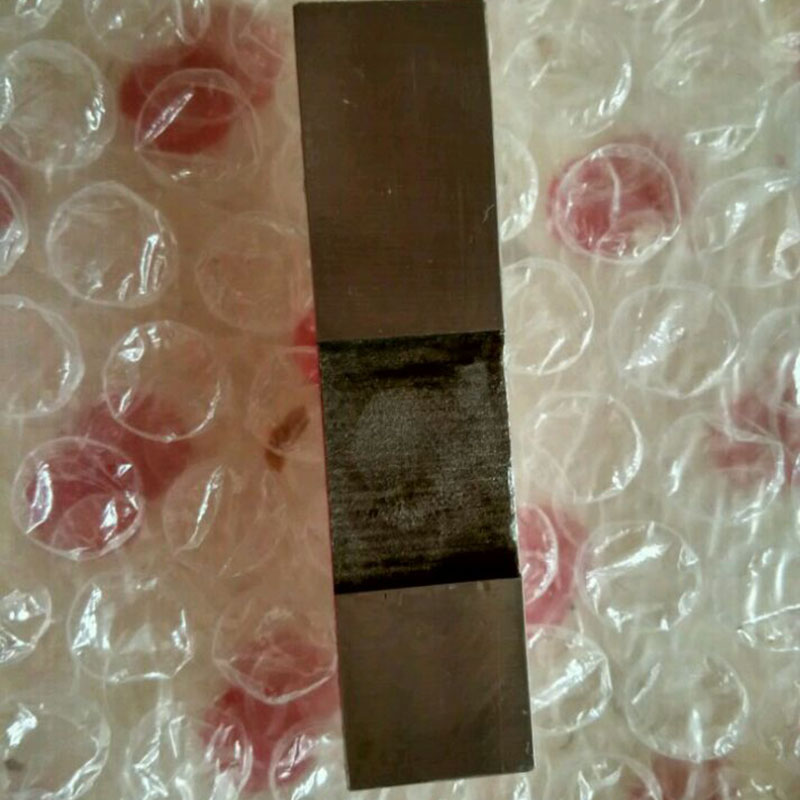
news and information
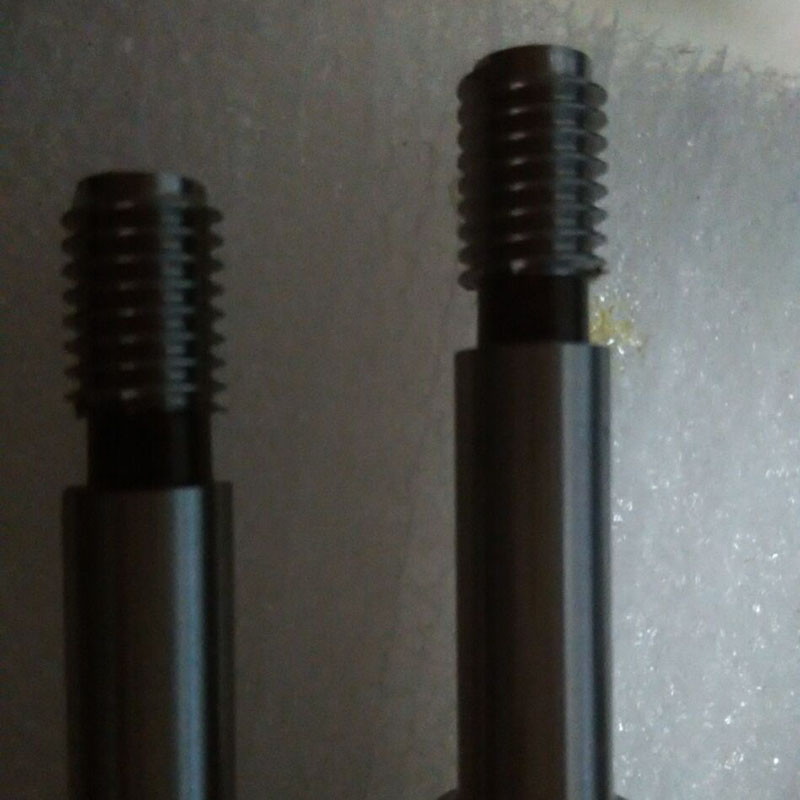
Welding and Fabrication Techniques for Efficient Metal Assembly and Construction
Understanding the Welding Fabrication Table A Comprehensive Overview Welding fabrication tables play

Water Pressure Control Valve for Efficient Regulation and System Protection
Understanding Water Pressure Reduction Valves Water pressure reduction valves (PRVs) are essential c
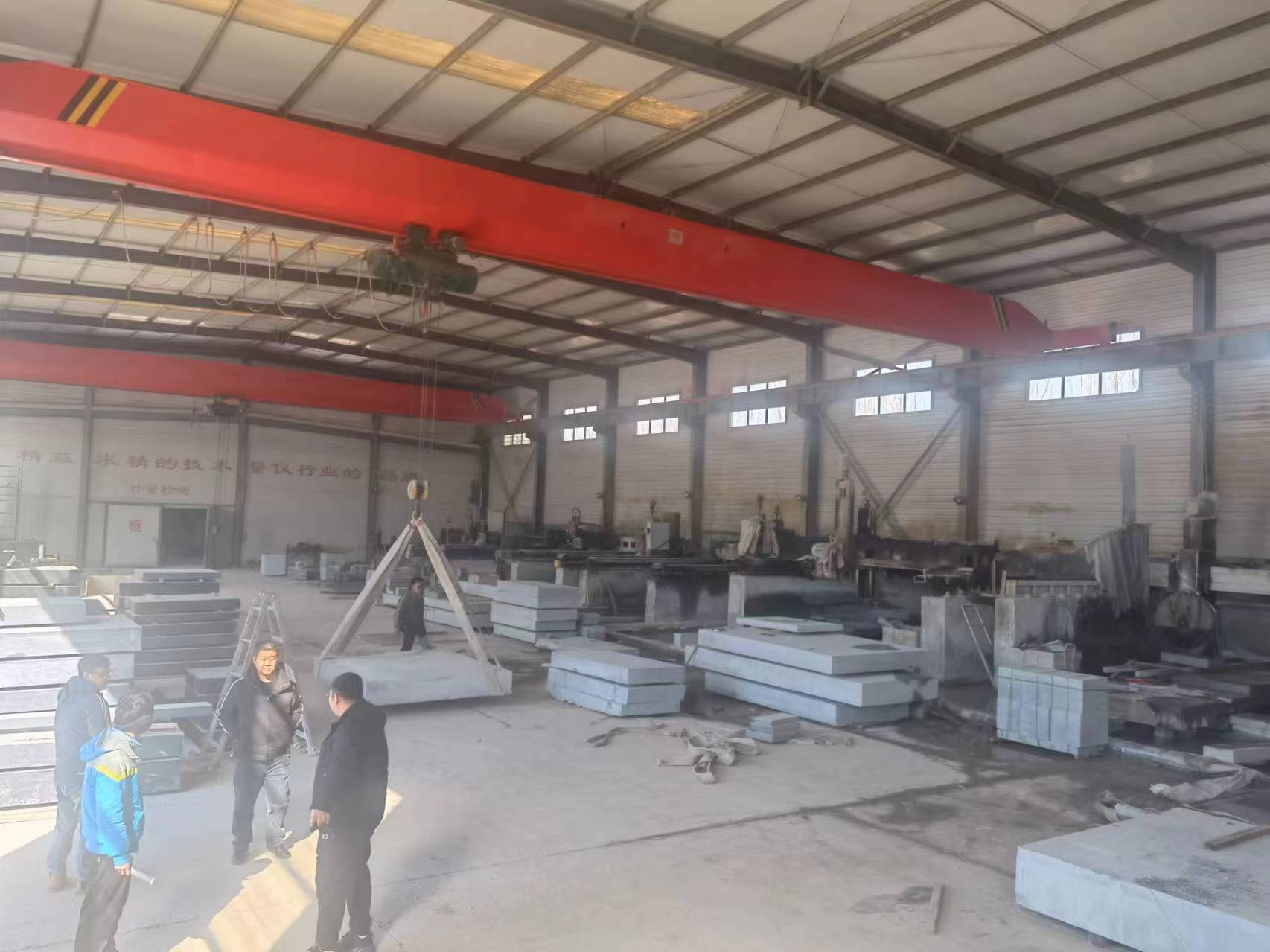
Válvula Globo de Alta Qualidade - Soluções Eficientes em Controle de Fluxo
Válvula de Globo de 2% Uma Solução Eficiente para Controle de Fluxo As válvulas de globo são compone
 English